Top Solo Travel Destinations for Women 2026: Safety, Culture & Adventure
You want real options and a bit of practical reassurance before you book a solo trip in 2026. This guide cuts through the noise with straightforward picks for women who value safety, easy logistics, and memorable experiences.
You’ll find options for city culture, outdoor adventure, and relaxed coastal escapes. Expect clear recommendations for the safest countries, standout destinations for unique experiences, and action-ready tips to plan and connect while traveling alone.
There’s advice here on solo-friendly activities, group tours, and community resources to make meeting others much less awkward. We’ll also mention Telekonek — a travel connectivity provider with affordable eSIM plans — so staying connected overseas doesn’t become a headache.
What Makes a Destination the Best for Solo Female Travelers
The best places for solo female travel combine practical safety, everyday convenience, and a social vibe that supports independent women. That mix makes sightseeing, transit, and evenings out feel straightforward instead of stressful.
Safety and Security Factors
Visible policing, low street crime, and responsive emergency services matter most. Safe neighborhoods with well-lit streets and steady foot traffic cut down on opportunistic theft and harassment.
Reliable access to local emergency numbers and nearby hospitals is huge if something goes wrong. Travel safety basics: carry a local SIM, register with your embassy if possible, and know where the nearest police station is.
Women also benefit from venues with staff trained to handle harassment and accommodations offering secure entry, female-only dorms, or 24-hour reception. Countries and cities on lists like safest countries for women often combine low violent crime with visible, accountable law enforcement.
Solo-Friendly Culture and Community
A welcoming culture reduces friction for solo female travelers and makes it easier to meet people. Destinations where locals respect independent women, offer clear social cues, and tolerate different dress norms let you blend in or stand out as you like.
Cafés with communal seating, group tours, and women-focused meetups create easy ways in. Hostel networks, female-only tour operators, and expat communities provide built-in safety nets and companionship.
Look for English-language signage, women visible in public life, and tourism services that actually market to solo female travelers. Check local forums and guides to spot female-focused activities and vetted meetups before you go.
Reliable Infrastructure and Walkability
Walkable, compact neighborhoods with frequent transit are a game-changer for independent movement. Cities with clear transit maps, reliable buses or trains, and affordable rideshares mean you don’t have to rely on taxis late at night.
Walkability ties right into safety: active sidewalks, pedestrian crossings, and decent lighting make solo navigation way less stressful. Solo-friendly infrastructure includes easy ticketing, clear wayfinding, and accessible public restrooms.
Accommodations near transit hubs or central squares minimize late-night travel. For examples of highly walkable, safe options, check out curated destination lists like top solo female travel destinations in 2026.
Safest Countries for Solo Women in 2026
These countries mix low crime, strong public services, and traveler-friendly infrastructure. You get practical safety, clear transport options, and plenty of social spaces for exploring on your own.
Iceland: Leading the Way in Safety and Gender Equality
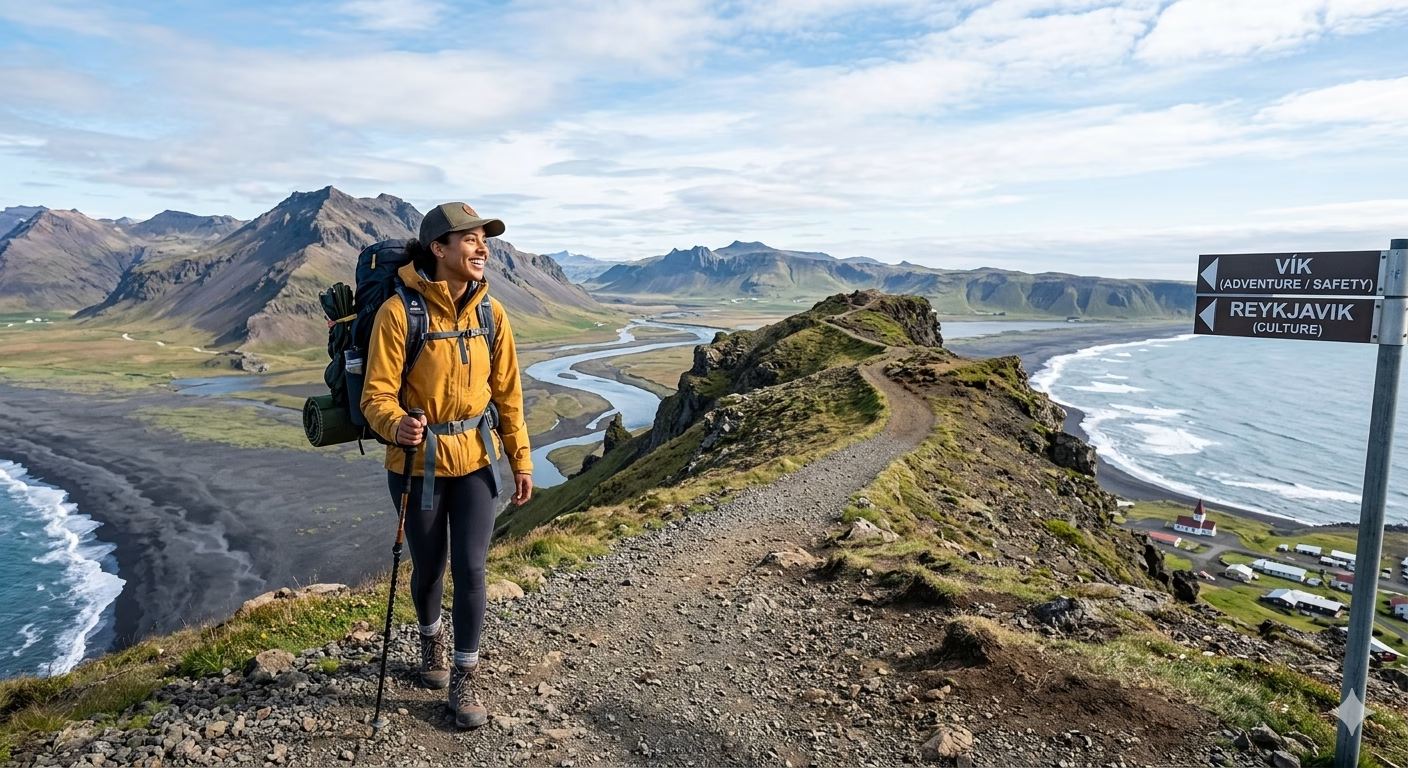
Iceland is a top pick for solo female travelers. Reykjavik’s compact center, well-lit streets, and all-night bus network make late arrivals or solo nights easy to handle.
Nature access is direct and well-organized. Day trips to the Golden Circle, glacier excursions, and northern lights tours keep logistics simple and put you with trained guides.
Self-drive routes like the Ring Road are popular, but small-group tours are smart for remote areas—no need to spend hours alone on empty roads. Book certified guides for glacier or ice-cave trips, check weather alerts before driving, and look for accommodations with female-friendly amenities.
Reykjavik hostels and guesthouses often host social events, so it’s not hard to meet companions for trips to the Westman Islands or the south coast.
Japan: Women-Only Train Cars and Impeccable Public Transit
Japan is famously safe, with low violent crime and public transit that actually runs on time. Major cities offer women-only train cars during rush hour, which is a nice touch if you’re not a fan of crowded commutes.
Public signage is clear, taxis are reliable, and stations are spotless. Capsule hotels, business hotels, and female-only floors in some places offer privacy and peace of mind.
Bright streets and frequent late-night trains in cities like Tokyo and Osaka make nighttime travel less intimidating. For day trips, small-group tours in places like Kyoto and Nikko help with language barriers and temple access.
Register offline map apps, grab a transit card (Suica or Pasmo), and book places near major stations to avoid late-night transfers.
Denmark: Copenhagen and Nyhavn’s Welcoming Charm
Denmark’s low crime, strong welfare systems, and cycling culture make it one of Europe’s most comfortable bases for solo women. Copenhagen is compact, and transit is easy.
Nyhavn’s waterfront is safe and sociable, with cafés, canal tours, and quick access to the city’s main sights. Bike-share schemes and protected cycle lanes encourage independence; a lot of women prefer cycling for short hops instead of night buses.
If you’re heading out to the coast, Denmark’s ferries and trains make regional nature easy to reach. Use daylight for long bike rides, wear something reflective after dusk, and book guesthouses with secure bike storage if you’re planning to pedal around.
Best Solo Female Travel Destinations for Unique Experiences
These places make logistics easy, keep safety standards high, and offer activities that create genuinely memorable solo trips. Each entry highlights neighborhoods, signature activities, and real-world tips for women traveling alone.
Portugal: Scenic Escapes and Walkable Cities
Portugal’s cities are compact and walkable, with dramatic coastal scenery that’s perfect for independent travelers. In Lisbon, you can wander Alfama’s steep lanes, hop on Tram 28, and catch sunset at Miradouro de Santa Luzia.
Porto has riverside walks across Dom Luís I Bridge and port wine cellar tours in Vila Nova de Gaia—easy to join solo. Day trips to Sintra and the Algarve give you that coastal escape without complicated transit.
Lagos in the Algarve has safe beaches, clear signage, and group boat tours to Benagil Cave that welcome solo folks. Book hostels or guesthouses in central neighborhoods, carry a printed map for those twisty old streets, and use local ride apps after dark.
For more travel ideas, check this guide to the best solo female travel destinations in 2026.
Costa Rica: Surf Lessons and Eco-Adventures
Costa Rica is a sweet spot for active solo women. Puerto Viejo on the Caribbean coast has beginner surf lessons, bicycle-friendly streets, and hostels with a community vibe.
Santa Teresa and Tamarindo on the Pacific side run daily surf clinics and small-group canopy tours—no need to book ages in advance. Guided night wildlife walks, sea-turtle nesting tours, and day hikes in Corcovado or Manuel Antonio National Park are easy to arrange.
Use shuttle services for safer travel on rural roads, and keep small cash handy for remote entrances. Pack reef-safe sunscreen and a lightweight dry bag for beach days.
For more on safe solo travel spots, see this roundup of solo female travel destinations.
Canada: Granville Island and Urban Wilderness
Canada’s safe, English-speaking cities and easy wilderness access are a win for solo travelers. In Vancouver, Granville Island is a cultural hub with markets, artisan shops, and food tours—all simple to explore solo.
Stanley Park and the Seawall offer paved trails for cycling and group kayak rentals. For mountain trips, Banff and Jasper have well-marked trails, park-run shuttles, and hostels where you’ll meet other hikers.
Stick to daytime travel, signed trailheads, and official guided tours for wildlife areas. Register backcountry plans when hiking and use Parks Canada info desks for updated trail conditions.
For more context, see safe solo travel destinations in 2026.
Solo Adventures: Activities, Tours, and Community Connections
Here are some ways to build in social structure, local experiences, and adventure—no matter your comfort level or fitness. Guided small-group trips, curated food experiences, and glacier or Arctic expeditions with pro leaders are all on the table.
Small-Group Tours and Social Opportunities
Small-group tours give solo women a built-in social framework and take care of logistics. Companies like G Adventures and Intrepid cap group sizes—usually 10–16 people—so it’s easier to connect, and guides can actually get to know you.
Many offer roommate pairing or lower single supplements to cut costs and boost interaction. Pre-trip apps, welcome mixers, and icebreaker activities kick off connections fast.
Groups built around interests—food, hiking, culture—make it more likely you’ll share values and pace. Before booking, check average group size, gender balance, and whether the operator uses local guides and solid safety protocols.
Solo Dining and Food Experiences
Solo dining is way less awkward if you build it around a social activity. Cooking classes, market tours, and communal tables make for easy conversation starters.
Lots of local experience platforms offer small-group food workshops that pair solo travelers together. When eating alone, pick spots with bar seating, chef’s counters, or long communal tables for a bit of interaction.
Guided food tours or tasting walks add context and safety, especially after dark. Join online local groups or solo female traveler networks for vetted restaurant tips and potential dinner buddies.
Glacier Hiking and Arctic Adventures
Glacier hiking and Arctic trips need real prep and experienced guides. Good operators provide crampons, harnesses, layering advice, and guides trained for crevasse rescue and cold-weather first aid.
Trips should spell out fitness requirements and group sizes so you know what you’re getting into. Look for safety briefings, acclimatization days, and guides with local expertise on weather and wildlife.
Solo travelers should double-check emergency evacuation plans, communication gear, and the guide-to-participant ratio. These trips often create strong group bonds—shared challenges do that.
Empowering Your Solo Journey: Tips and Resources
A bit of practical prep, community connections, and smart destination choices make solo trips safer and more rewarding. Focus on concrete safety steps, reliable networks, and places with solid infrastructure and social opportunities.
Safety Preparation for Women Traveling Alone
Register your travel plans with your embassy if you can. Keep digital and paper copies of your passport, visa, and emergency contacts.
Carry local emergency numbers and a basic first-aid kit. Store important documents in encrypted cloud storage and a locked phone app.
Learn local laws and cultural norms before you go—dress codes, public behavior, and female-specific travel advisories all matter. Book ground transportation from reputable providers and confirm driver and vehicle details for late-night pickups.
Use a money belt or RFID-blocking wallet, and split funds across cards and cash. Stay aware of your surroundings: keep one earbud out, share your live location with someone you trust, and set check-in times.
Get travel insurance that covers medical evacuation and theft. For tech safety, enable two-factor authentication and use a VPN on public Wi-Fi.
Joining Solo Travel Communities and Networks
Join active female-focused groups to find travel buddies, local meetups, and vetted tips. Online forums, Facebook groups, and women’s travel apps are all good bets—just look for moderated spaces with verified members.
Hostels, women-only tours, and day-trip groups are safe ways to meet people in structured settings. Use platforms that show reviews, IDs, and group leader credentials.
Attend in-person meetups or coworking events to expand your contacts without locking into long-term plans. Seek communities that share destination-specific advice—packing lists, neighborhood safety notes, and recommended hostels.
Joining a working-holiday or volunteer network can also help you extend your stay safely and provide local references.
If you’re planning a solo trip, staying connected is half the battle—especially when you’re bouncing between countries or need reliable data on the go. Telekonek offers affordable eSIM data plans that make it easy to keep in touch, share your adventures, and access maps or safety resources wherever you land. Check them out if you want to stay connected abroad without the usual hassle. Safe travels—go make those solo memories count!
Making the Most of Solo-Friendly Destinations
She should look for destinations with reliable public transport, plenty of English in tourist areas, and visible support for travelers. Japan, Portugal, and New Zealand come up again and again—they just make things easier for solo explorers.
Pick neighborhoods with good lighting and lots of people around. It’s smart to stay close to transit hubs.
When booking a place to stay, go for strong reviews, clear cancellation policies, and if possible, women-only dorms or private rooms near main streets. That extra peace of mind is worth it.
For activities, try things that naturally get you chatting with others—cooking classes, guided hikes, small-group tours, or community dinners. A mix of busy highlights and quieter moments helps keep loneliness at bay.
Check official tourism sites and local apps for up-to-date safety info and trusted providers. It never hurts to double-check.
Frequently Asked Questions
Here you’ll find practical answers about safe solo travel for women, how to get around, and which trip styles are least stressful. Each answer includes options, transport tips, and a few safety checks for 2026.
Which U.S. cities are safest and most enjoyable for women traveling alone this year?
Seattle, Portland, and Minneapolis have solid public transit, walkable areas, and a lot of solo travelers. There’s a good mix of daytime activities and plenty of places to stay that get great reviews.
Boston and Washington, D.C. are compact, packed with museums, and have reliable transit. Central neighborhoods stay busy after dark, but stick to well-lit streets and basic night safety.
San Diego and Austin are lively, with lots of outdoor stuff, coworking spots, and solo-friendly social scenes. Stick to central or touristy neighborhoods where rideshares are easy to find.
What are the best solo-friendly destinations in Europe for women, considering safety and ease of transport?
Lisbon and Porto in Portugal are walkable, budget-friendly, and English is widely spoken. Trams and trains make getting around a breeze.
Reykjavik, Iceland feels safe and offers easy day tours and small-group options. (For more, check this guide to the 15 best solo female travel destinations for 2026: https://travelbreakaway.com/solo-female-travel-destinations/.)
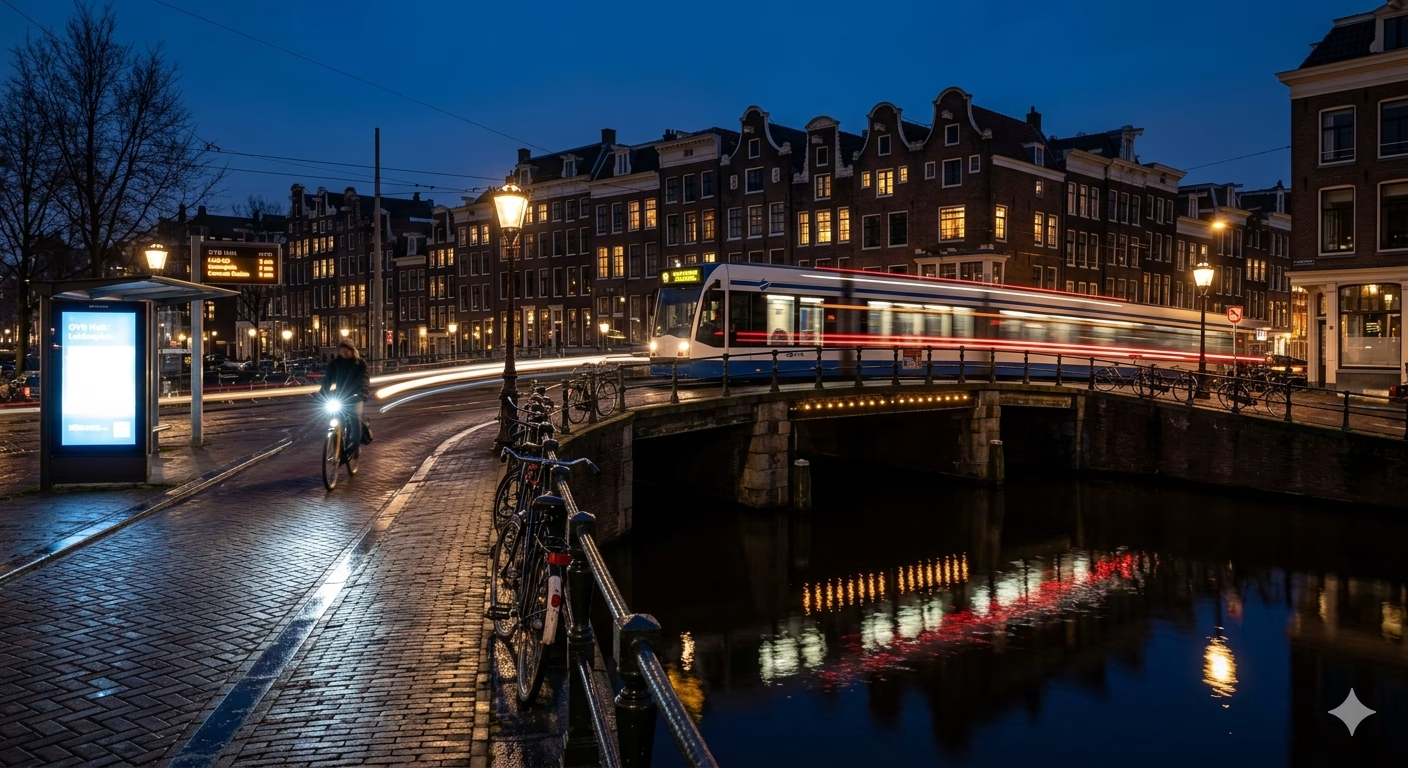
Copenhagen and Amsterdam stand out for their excellent public transport, clear signs, and bike-friendly roads. They’re great if you like to explore on your own timetable.
Which Asian destinations are most comfortable for first-time solo female travelers?
Japan—especially Tokyo, Kyoto, and Osaka—has low crime, clear English signage, and trains that run like clockwork. Grab a rail pass and an IC card to save time and headaches.
Taipei, Taiwan is easy to get around, locals are friendly, and the night markets make solo dining fun instead of awkward. Small-group day tours to nature spots are everywhere.
Singapore is compact, English-speaking, and has strict public safety standards. It’s about as straightforward as it gets for a first solo trip.
How do all-inclusive resorts compare to city-based trips for solo women traveling alone?
All-inclusive resorts bundle meals, activities, and transport. That means fewer worries about scams or going over budget. They’re great if you want to relax and not think too much.
City trips offer more variety—different foods, cultures, public transit, and the chance to meet other travelers. They do take more planning: map out your routes, pick trusted places to stay, and plan how you’ll get around at night.
Go with resorts for easy, low-effort escapes. Pick cities if you want to learn the ropes and soak up the local vibe.
Are small-group tours or women-only travel groups worth it for solo travelers, and what should you look for?
Small-group tours take care of logistics and give you a ready-made group, which helps for things like night travel or remote activities. Local guides often handle permits and language stuff.
Women-only groups can make shared lodging and activities feel safer and more comfortable. Before booking, check group sizes, cancellation policies, and daily itineraries.
Always verify the operator’s credentials, read recent reviews, and make sure they have clear emergency plans and qualified local guides.
If you’re planning a solo trip and want to stay connected without the roaming headaches, you might want to check out Telekonek. They offer affordable eSIM data plans that work smoothly abroad—could make your travel life a bit easier.
How can you evaluate safety risks and common scams when choosing a destination as a solo female traveler?
Start by checking recent national safety indices and local crime trends. Don’t just look at the country as a whole—dig into specific neighborhoods.
It helps to read traveler advisories, but I’d also scroll through firsthand reports from people who’ve just been there. Local news can give you a clearer sense of what’s actually happening right now.
Scams? There are always a few classics: taxi overcharging, distraction theft, and fake officials trying to look legit. To handle these, use licensed ride apps, keep your valuables on you (not in your bag), and steer clear of sketchy ATMs.
Before you even land, jot down emergency numbers and find out where the nearest hospital and police station are. It’s a small step, but it can make a big difference if something goes sideways.
If you’re planning to stay connected while you travel, it’s worth checking out Telekonek for affordable eSIM data plans. Staying online can make all the difference when you’re exploring somewhere new.